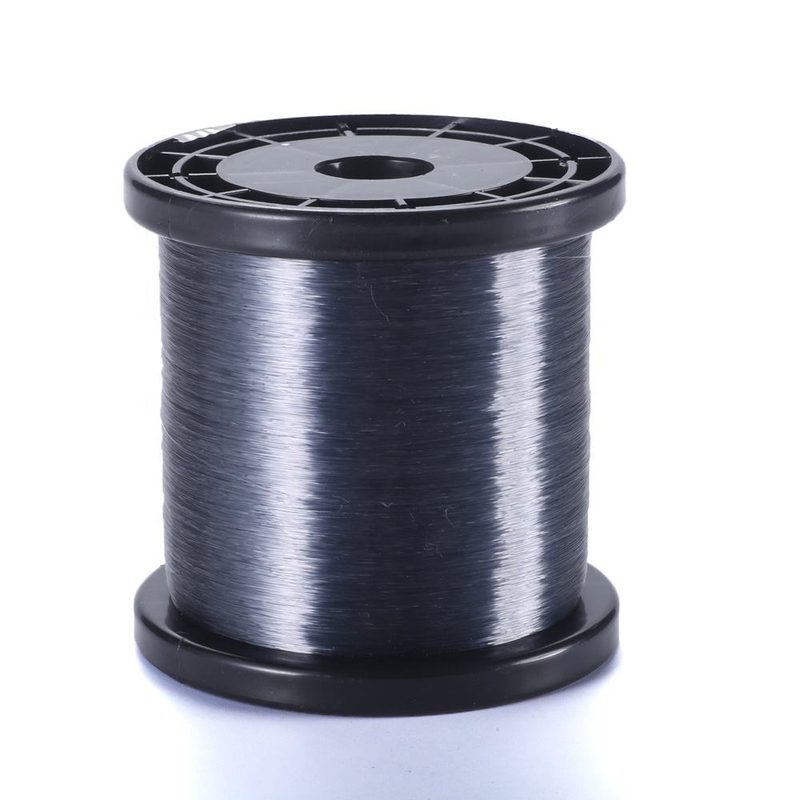
| Diameter | 0.30 mm |
|---|---|
| Spool options | 300 / 500 / 1000 m |
| Line type | nylon mono type |
| Spool format | soft spool packaging |
| OEM availability | OEM service |
Definition
The mainline is the line on the reel — metres of it, feeding every cast all day; monofilament remains the feeder angler’s default because it is cheap per metre, abrasion-tolerant, and forgiving to re-spool on the bank.
The FF-L10 is sold the way mainline is actually consumed — on long soft spools, because per-metre cost decides how often you re-spool, and re-spooling often is the whole of mainline discipline.
Mono against braid as a mainline
Braid claims the thinner diameter and zero stretch, and pays for both — a mainline that abrades on the first crayfish burrow or wind-lashed weed dies mid-session, while mono takes the same punishment, stretches a little, and keeps fishing. For a line that spends all day dragged across a venue bottom, the forgiving material is the honest default.
Long spools are a discipline, not a bulk buy
Three hundred metres fills a couple of large-reel spools; a thousand lets a tackle supplier reload a whole fleet without rationing. The point of the long spool is that worn line gets replaced the day it feels rough, not saved for later — abrasion shows as drag before it shows as a break, and a re-spool costs a fraction of one lost fish.
Does this line sink?
Nylon monofilament takes on water and loses buoyancy over a session, but the listing does not state a sinking rating for this line — where a tactic genuinely depends on a sinking mainline, verify the spec with the factory before ordering instead of assuming it.
Why is the diameter only 0.30 mm in the listing?
0.30 mm is the diameter this listing names; other diameters and their breaking strains are factory-sheet questions for wholesale orders — a feeder fleet normally stocks one diameter for open water and a heavier one for weedy or snaggy venues, so the order should mirror that split, not one lucky number.